
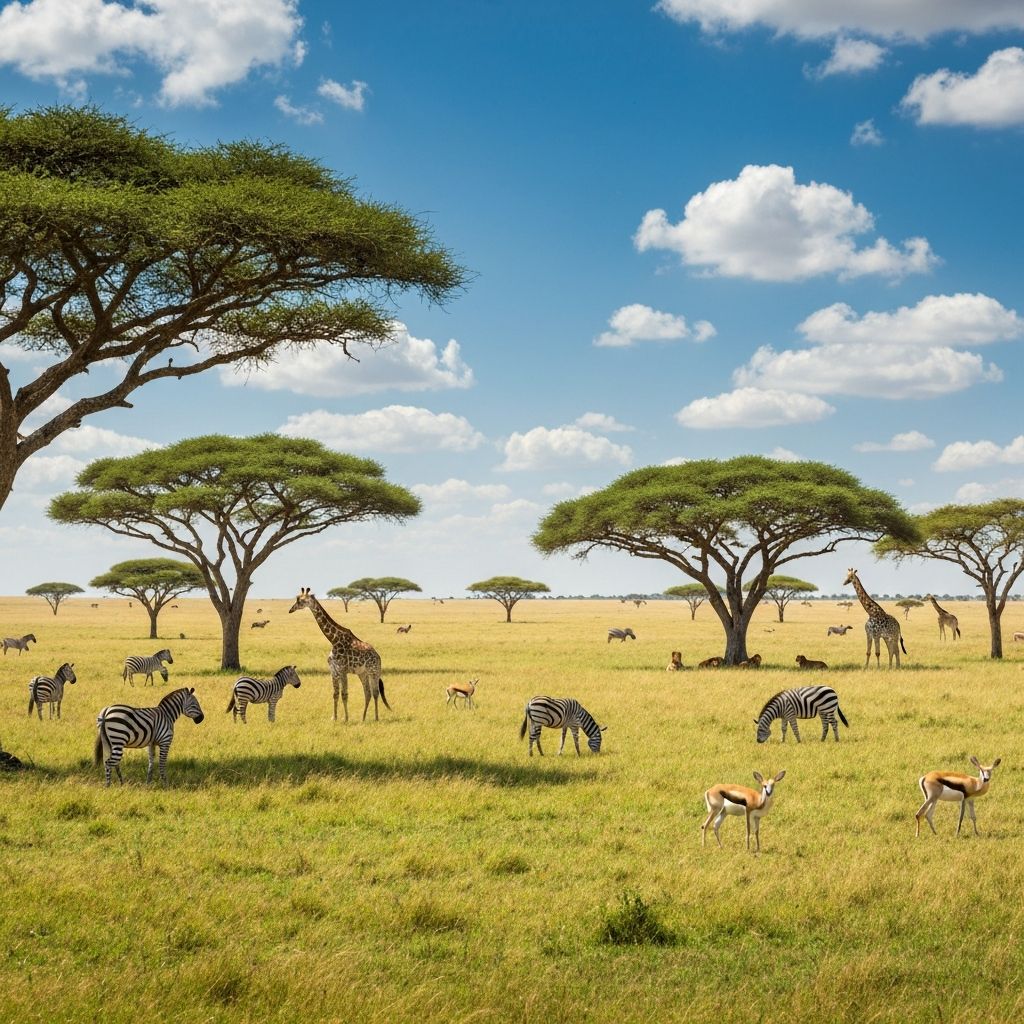
Kenya is a year-round safari destination — but each month has trade-offs. Here’s the honest breakdown of when to go, and why.
The short answer
For the Migration in the Mara: late July to late October.
For dry-season game viewing across all parks: late June to early March (excluding the long rains).
For value & quiet parks: April–May (long rains) or November (short rains).
The two dry seasons (best for safari)
June – October — peak dry season
Cool, clear, and dusty. Animals concentrate around remaining water sources, which makes them easier to find. Vegetation is short and sparse so visibility is excellent. Mornings are crisp (10–15°C); afternoons are warm but not oppressive. The Great Migration crosses into the Masai Mara from late July through October. Lodges sell out 6–8 months in advance for August.
January – early March — the “little dry”
Hot and clear. Resident game is excellent across all parks, and lodges are quieter than in August. This is also peak season for Amboseli’s big elephant herds and the best photography light of the year.
The two rainy seasons
April – May — long rains
Heaviest rainfall of the year. Some camps close. Some roads — particularly in the Mara — become difficult. But: rates drop 30–40%, the landscape is electric green, baby animals are everywhere, and you’ll often have a sighting to yourself. Game drives still happen — most rain falls in the late afternoon. If you can handle the gamble, it’s the most peaceful time to be on safari.
November – mid-December — short rains
Lighter, more localised showers. Camps stay open. Birding is at its peak (migrants are in). Excellent value, with green landscapes and most camps at 50–70% capacity.
Month-by-month at a glance
- January: Hot, dry, big herds in Amboseli. Excellent.
- February: Continued dry, peak photography light. Excellent.
- March: First rains start mid-month. Still good early.
- April: Long rains in full swing. Cheap, green, fewer crowds.
- May: Tail of the long rains. Some camps closed.
- June: Dry season returns. Mara filling up.
- July: Great. Migration arrives in the Mara late month.
- August: Migration peak. Crossings daily. Crowds & high rates.
- September: Migration still in the Mara. Slightly quieter than Aug.
- October: Migration starting to head south. Last great month.
- November: Short rains. Beautiful, quiet, value.
- December: First half wet, second half drying. Christmas books fast.
Health & logistics
Kenya requires a yellow fever certificate if arriving from a yellow-fever country. Anti-malarials are recommended for safari areas year-round. The dry season is also peak for fewer mosquitoes — another point in its favour.