The phrase “Big Five” comes from colonial-era hunters, who used it to label the five African animals most dangerous to hunt on foot — lion, leopard, elephant, rhino, and Cape buffalo. The phrase has stuck, and these days it’s a useful (if slightly marketing-flavoured) checklist for first-time safari-goers. Seeing all five on a single trip is genuinely possible in East Africa, but it requires picking the right parks.
Lion — the easy one (mostly)
Lions are sociable and live in prides of up to 30 — which makes them relatively easy to find compared with the others. The Masai Mara holds the highest density of lions of any Kenyan park, and the Serengeti has the largest absolute population on earth. Both are more-or-less guaranteed sightings on any 3+ day safari. Look for them at dawn and dusk; they sleep through the heat of the day and you’ll often find them flopped in the shade like enormous cats.
Best parks: Masai Mara (Kenya), Serengeti, Ngorongoro Crater (Tanzania).
Leopard — the hard one
Leopards are solitary, nocturnal, and silent. They drape themselves over thick branches in big trees during the day, which is why guides will scan every sausage-tree and acacia on a game drive. The Mara Triangle and the Seronera valley in central Serengeti are the most reliable leopard zones in East Africa.
Pro tip: if you spot impala or baboons giving an alarm call, stop and scan the trees within 100m of them.
Elephant — the showstopper
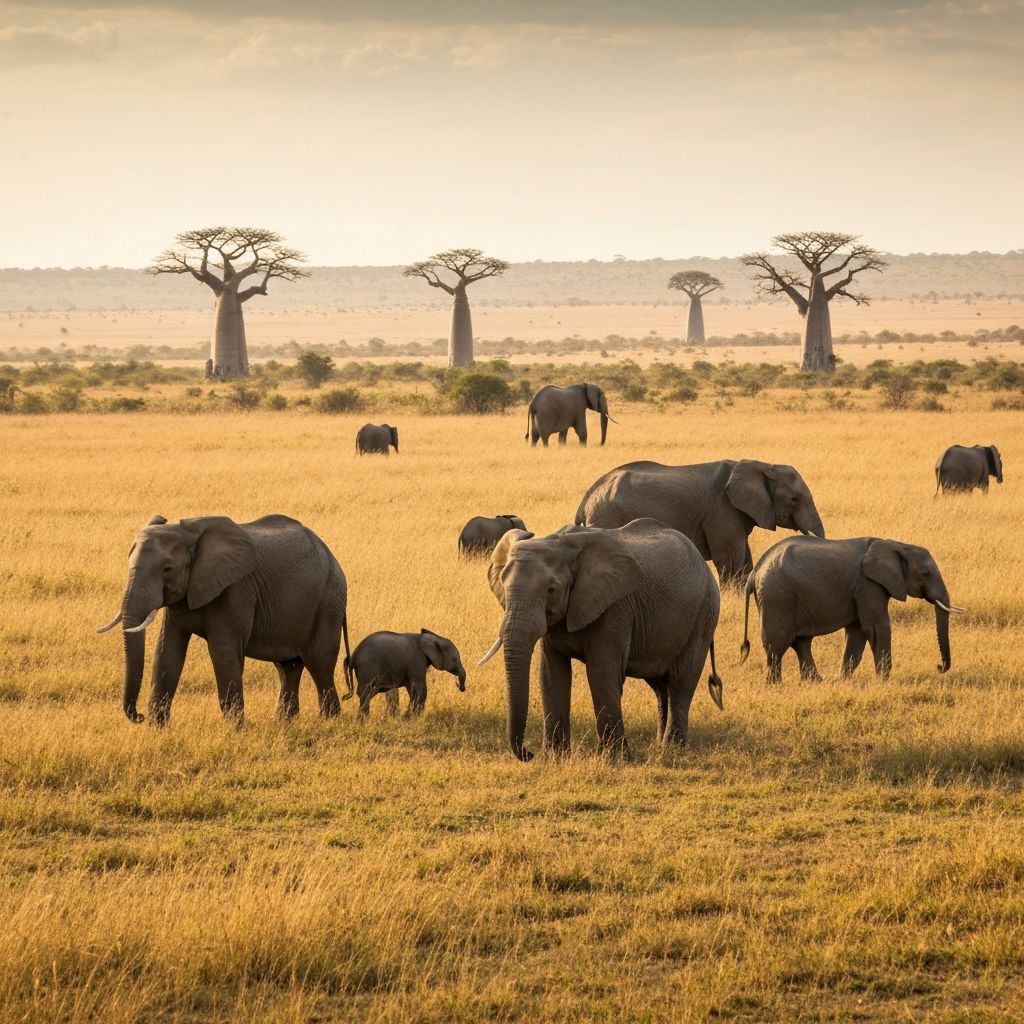
Elephants live in matriarchal herds and are remarkably easy to find — and even easier to watch for hours. Amboseli, with Mount Kilimanjaro behind it, is iconic for elephant photography. Tarangire in Tanzania holds bigger herds in the dry season (June–October), with hundreds gathering along the Tarangire River.
Rhino — the threatened one
Both black and white rhino are critically endangered; populations have collapsed under poaching pressure. Lake Nakuru (Kenya) and the Ngorongoro Crater (Tanzania) hold the most reliable rhino populations on the East African circuit. The Solio Game Reserve, near Mt. Kenya, has one of the highest rhino densities in Africa for those willing to detour.
Cape buffalo — the dangerous one
Old, solitary “dagga boys” — males pushed out of the herd — are statistically the most dangerous animal on safari. Buffalo are common across both countries; you’ll usually see your first herd within a few hours of starting your first game drive.
How to maximise your odds
- Combine parks. Mara + Lake Nakuru + Amboseli ticks every box in Kenya; Serengeti + Ngorongoro + Tarangire does the same in Tanzania.
- Go in the dry season. June–October concentrates wildlife around water and the grass is shorter — which means easier spotting.
- Start early. A 6am game drive sees more than a 9am one. Animals are most active in the cool of dawn.
- Trust your guide. A great guide can tell from a fresh print, a flick of a tail-tip in long grass, or which way the impala are looking that there’s a predator nearby.